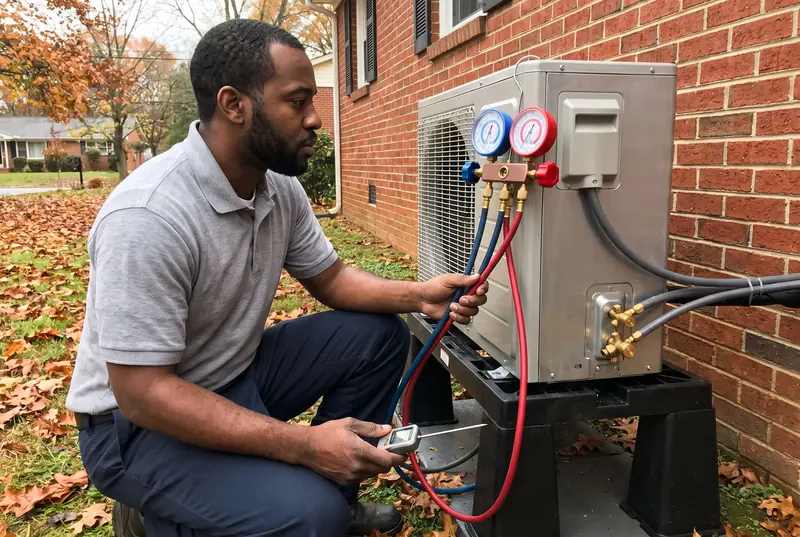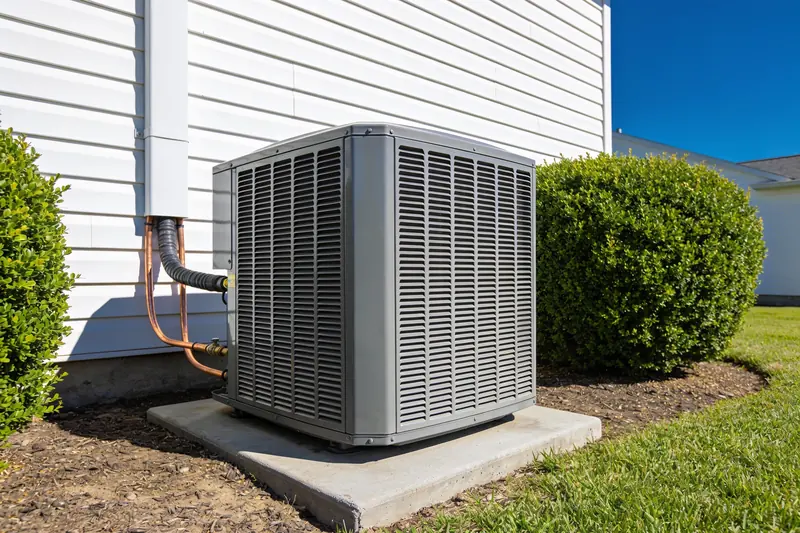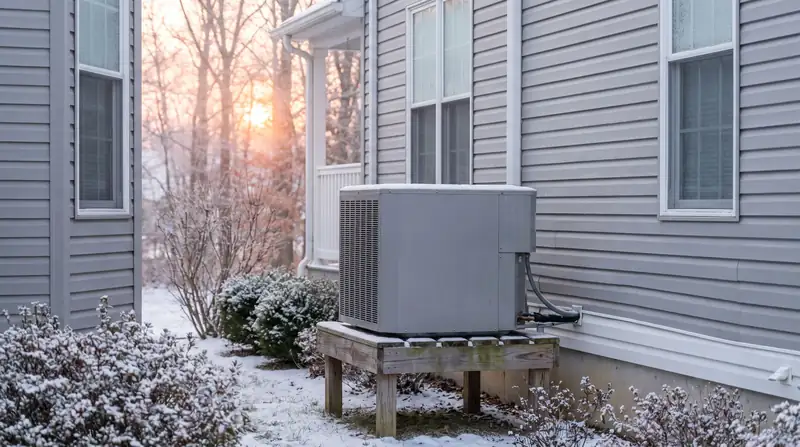

A heat pump is an air conditioner that learned to run in reverse: in summer it moves heat out of your house, and in winter a reversing valve flips the refrigerant flow so the same compressor pulls heat from outdoor air and delivers it inside. Because it moves heat rather than generating it, its efficiency runs far past anything resistance heating can do, which is why so many Texas City, TX homeowners are switching as older equipment ages out. Modern cold-climate models with variable-speed inverter compressors keep producing useful heat far below freezing, a genuine engineering leap over the heat pumps of twenty years ago.
The repairs homeowners call us about most are AC Repair and Furnace Repair. That's the place to start if you need a fix today.
Warning Signs for Heat Pump Installation
Spotting the early warning signs lets you act before the problem gets expensive. Keep an eye out for the following clues:
- Rooms run hot in summer and cold in winter on the existing equipment
- You want one system, one outdoor unit, and one maintenance schedule
- An older system that only survives on refrigerant top-offs and major repairs
- You are tired of temperature swings and want steady, even comfort
- Your utility offers rebates that favor heat pump conversions
- Both your air conditioner and furnace are getting old, and one replacement beats two
- You are electrifying the house or pairing major loads with solar
- Your home relies on costly resistance heat, propane, or heating oil
Early Action Saves Money
A failing capacitor, clogged condensate drain, or dirty flame sensor rarely fixes itself and usually gets more expensive to address the longer it runs. Call (409) 204-6290 at the first sign of trouble.